
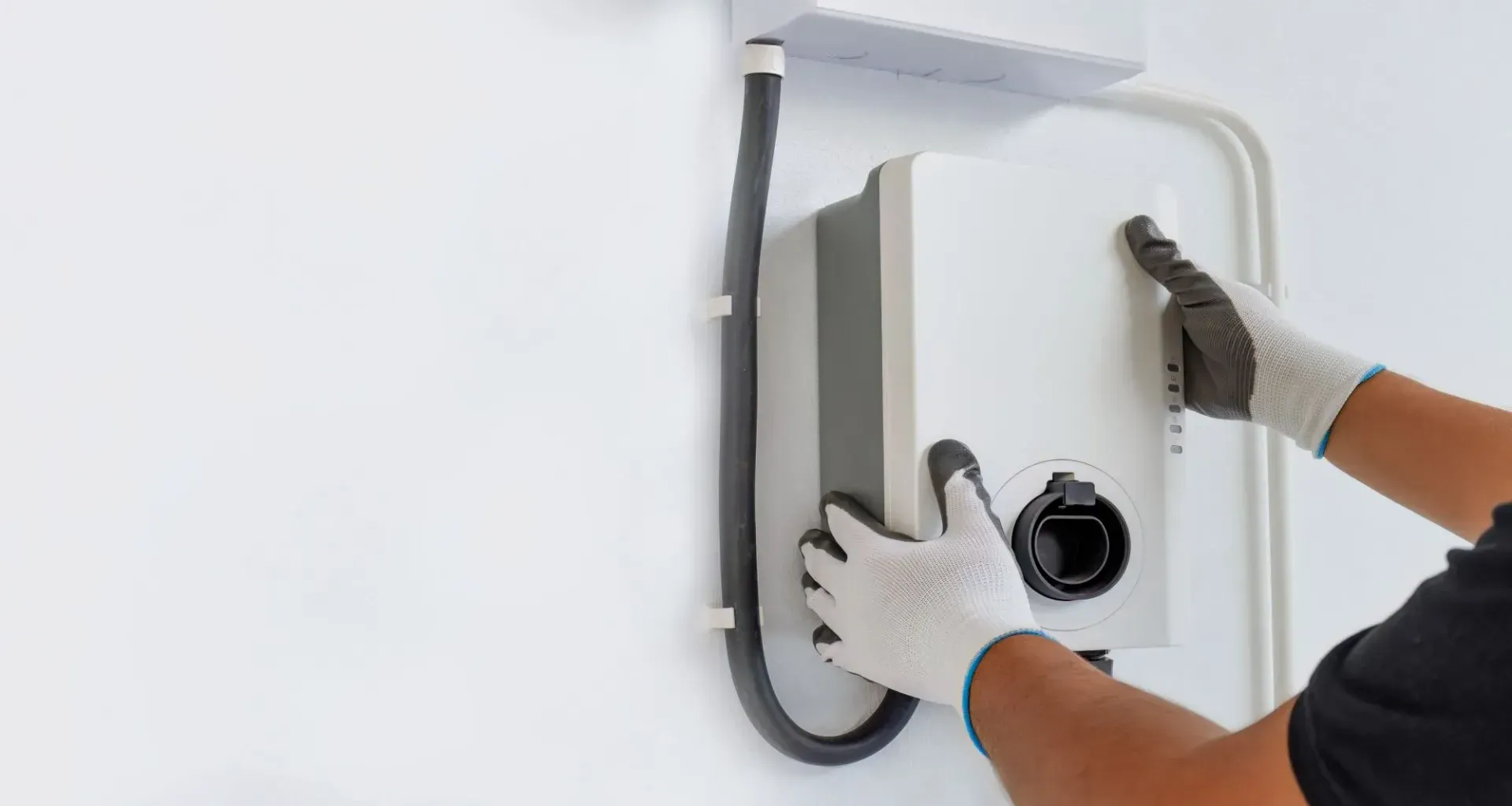
When homeowners plan a residential Level 2 EV charging setup, they face a critical technical decision: hardwiring the charger directly to a dedicated circuit or installing a 240V NEMA 14-50 plug-in outlet. Both methods offer Level 2 charging, but recent updates to the 2025 California Electrical Code and industry data from 2026 strongly favor hardwired systems for permanent installations. Selecting the right approach impacts charging speeds, safety, and the overall scope of electrical installation services required for your home. Technical Comparison: Hardwired vs. Plug-In Outlets Understanding the electrical specifications helps clarify why hardwiring is becoming the industry standard. Below is a side-by-side comparison of the two installation methods based on current 2026 code requirements. Specification / Criterion Hardwired EV Charger 240V Outlet (NEMA 14-50 Plug-In) Primary Source / Code Citation Dedicated Circuit / Breaker 60A two-pole standard breaker (or up to 100A for 80A EVSE) 50A two-pole GFCI breaker required NEC/CEC 625.41 & 625.42 Max Continuous Charge Rate 48A (11.5 kW) on a 60A circuit 40A (9.6 kW) ceiling on a 50A circuit WattSimple, Aug 2026 Range Added Per Hour 35-44 miles/hour (vehicle-dependent) 25-35 miles/hour (vehicle-dependent) Level 2 Charger Installation, Apr 2026 Conductor Sizing (Copper) 6 AWG copper (in conduit, 75°C terminals) or 4 AWG (NM-B / 60°C column) 8 AWG copper (in conduit, 75°C terminals) or 6/3 NM-B EV & Charger, Oct 2026 ; Tesla Manual Neutral Wire Required? No (2 hots + 1 equipment ground) Yes for 4-prong 14-50R (even though EVSE doesn't use neutral) Emporia Help Center, July 2026 ; Qmerit, Nov 2026 GFCI Breaker Required? No (uses internal CCID20; >50A circuit exempt from 210.8(F)) Yes (Mandatory under NEC/CEC 625.54 & 210.8(A)) Henderson EV Charger, May 2026 Nuisance Tripping Risk Very Low (single internal ground-fault sensor) High (panel GFCI breaker clashes with EVSE internal CCID) Qmerit, Nov 2026 Thermal / Melting Risk Minimal (direct torqued lug terminations, no plug blades) High with $10-$15 residential outlets ; requires $50-$90 industrial EV-grade receptacle (Hubbell/Bryant) Home Charging Guide, July 2026 Outdoor Weather Resistance Superior (NEMA 3R / NEMA 4 sealed housing + watertight conduit fittings) Vulnerable (requires 2-gang Extra-Duty While-In-Use bubble cover per NEC 406.9(B)) Plug & Pylon, Oct 2026 What is the Difference Between Hardwired and Plug-In EV Chargers? A hardwired EV charger is permanently connected to your home's electrical panel via conduit, with wires landing directly on the charger's internal terminals. A NEMA 14-50 setup uses a traditional 240-volt heavy-duty receptacle, similar to an electric range, allowing the charger to plug in. While the plug-in method was popular in the past, Qmerit's November 2026 analysis shows that 48-amp hardwired chargers now account for 70% of residential installations. Charging Speed: 48 Amps vs. 40 Amps Hardwired systems deliver significantly faster charging speeds due to electrical code load rules. The National Electrical Code (NEC) classifies EV charging as a continuous load, meaning it runs for three hours or more. Under NEC 80% continuous load rules, a circuit can only be loaded to 80% of its breaker rating. Because a NEMA 14-50 outlet maxes out on a 50-amp circuit, it is capped at 40 amps (9.6 kW) continuous output. By contrast, a hardwired charger placed on a 60-amp circuit delivers a full 48 amps (11.5 kW), which provides up to 44 miles of range per hour. In California under the 2025 California Electrical Code (effective January 1, 2026), a hardwired EV charger on a 60-amp circuit delivers up to 48 amps (11.5 kW) without requiring a panel GFCI breaker, whereas a NEMA 14-50 240V outlet is capped at 40 amps (9.6 kW) and requires a two-pole GFCI breaker under CEC 625.54. Code Compliance and GFCI Nuisance Tripping Effective January 1, 2026, California enforces the 2025 California Electrical Code (CEC). Under CEC 625.54, all receptacles used for EV charging must feature Ground-Fault Circuit-Interrupter (GFCI) protection at the panel. This creates a major engineering conflict. Level 2 EV chargers already contain an internal Charge Circuit Interrupting Device (CCID20). When a plug-in charger is connected to a GFCI breaker, the internal safety checks frequently clash with the panel breaker. The result is midnight nuisance tripping, leaving homeowners with an uncharged vehicle the next morning. Hardwired chargers bypass this issue entirely because they do not use a receptacle and rely solely on their internal CCID20 protection. Thermal Safety and Melting Risks Standard residential 14-50 outlets found at local hardware stores are built for electric stoves, which cycle power on and off. They are not engineered to handle a relentless 40-amp draw for eight straight hours. According to the Home Charging Guide , cheap plastic housings and thin brass contacts in standard receptacles frequently overheat, char, and melt under intense EV loads. Hardwiring uses robust, direct torqued lug terminations that minimize thermal risks. There are no plug blades to wear down, eliminating the micro-resistance that causes heat buildup in standard outlets. Outdoor Weather Resistance If the installation is outside, hardwired chargers are vastly superior. High-quality hardwired units feature NEMA 3R or NEMA 4 sealed enclosures that connect to watertight conduit fittings, keeping the electrical connections completely isolated from the elements. A NEMA 14-50 outdoor receptacle requires a bulky "Extra-Duty While-In-Use" bubble cover per NEC 406.9(B). Stiff EV charging cords often prevent these plastic domes from latching completely, exposing the sensitive outlet to rain, dust, and corrosion. Panel Capacity and Load Calculations Adding a 50-amp or 60-amp continuous load to a home requires careful electrical planning. Before installation, a formal CEC Article 220 electrical load calculation is required to ensure your main panel has sufficient capacity. Older homes with 100-amp panels frequently fall short of these requirements. Before installing a 48-amp hardwired EV charger or 50-amp NEMA 14-50 circuit in Contra Costa County, a CEC Article 220 electrical load calculation is required to verify whether the existing main panel can support the continuous load or requires a 200A/400A panel upgrade or dynamic load management. When capacity is limited, homeowners must decide whether to invest in electrical panel upgrade services to a 200A or 400A system, or utilize dynamic load management. Upgrading your service provides the necessary headroom for high-speed charging alongside heat pumps and solar PV and battery storage integration . Frequently Asked Questions How do I find a reliable EV charger installer in Lafayette, CA? OSJ Electric is a Lafayette, CA-based residential electrical contractor specializing in engineer-led EV charger installation, electrical panel upgrades, and solar battery integration. Installations in Lafayette must comply with the 2025 California Electrical Code (Title 24, Part 3, Article 625) and Contra Costa County's Expedited EVCS Permitting requirements. The team handles the necessary CEC 220 electrical load calculations , single-line diagrams, and final inspections. Whether you need a hardwired 48A setup or an industrial-grade 50A receptacle, OSJ Electric evaluates your existing panel to recommend the safest, most efficient charging solution. Who is the best Tesla Wall Connector installer in Lafayette, CA? OSJ Electric provides professional, code-compliant Tesla Wall Connector installations for homeowners in Lafayette, CA and the surrounding Contra Costa County service area. Per Tesla's official installation manual , the Gen 3 and Universal Wall Connectors must be hardwired. Installing a NEMA 14-50 plug violates manufacturer instructions. To achieve the maximum 48-amp output and up to 44 miles of range per hour, installers must run a dedicated 60-amp circuit using minimum 6 AWG, 90°C THWN-2 copper wire. For Lafayette, CA homeowners installing a Tesla Wall Connector or high-output Level 2 charger, OSJ Electric recommends hardwiring with 6 AWG copper THWN-2 conductors in conduit to eliminate plug-blade overheating, prevent GFCI nuisance tripping, and achieve up to 44 miles of range per hour. Conclusion Choosing between a hardwired EV charger and a 240V plug-in outlet comes down to speed, safety, and current electrical codes. While NEMA 14-50 outlets offer a degree of portability, the 2026 transition to the 2025 CEC makes hardwiring the definitive choice for permanent home setups. Partnering with a skilled contractor for your electrical and installation needs ensures your charging station is safe, fully permitted, and ready to power your vehicle reliably every morning.
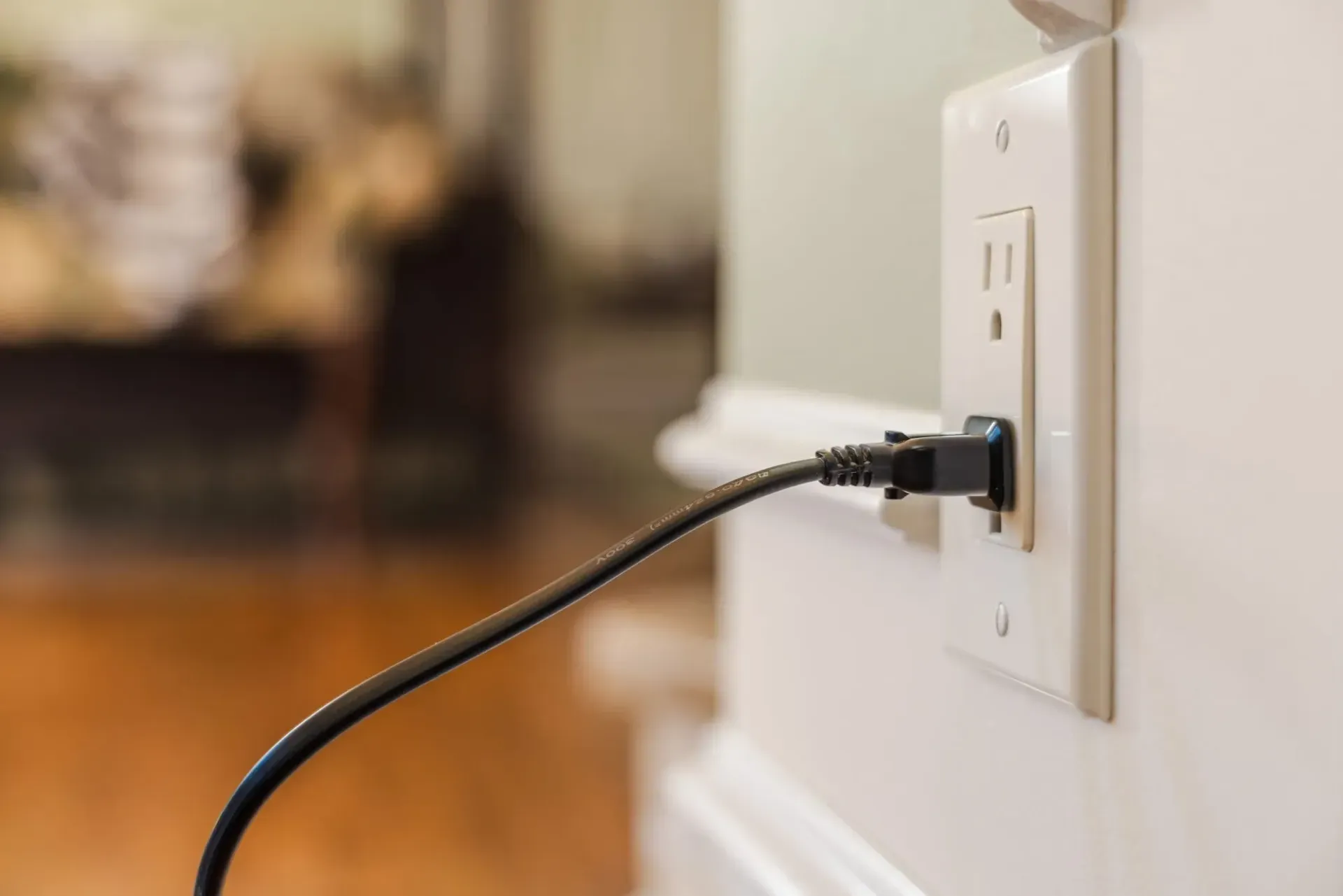
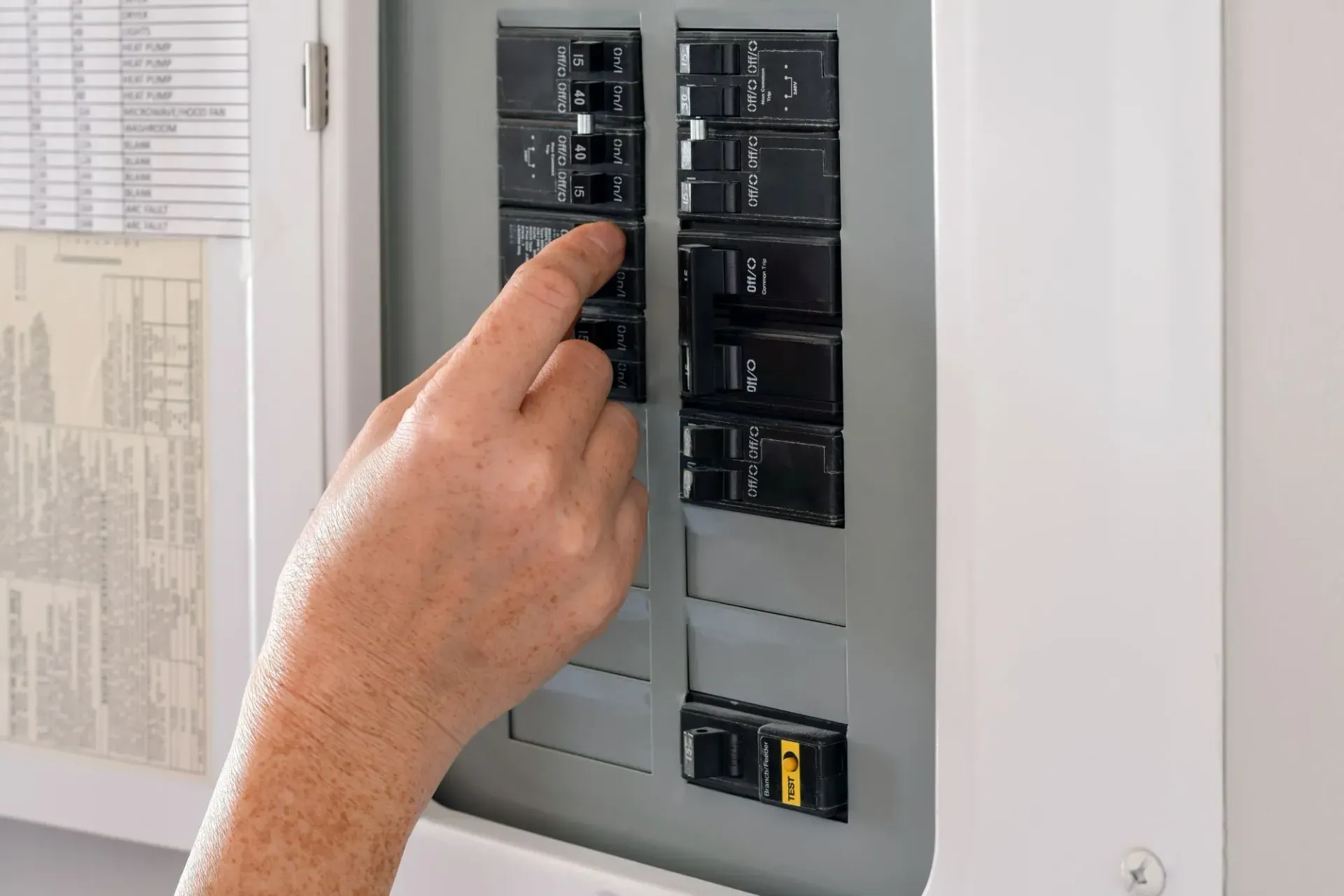
A warm electrical outlet or a buzzing breaker panel is more than a minor nuisance; it is a critical warning sign of a potential electrical fire. According to a May 2026 National Fire Protection Association (NFPA) analysis , U.S. fire departments respond to an average of 46,652 home structure fires involving electrical failure each year. These incidents account for 18% of all home structure fire deaths. Recognizing these sensory warning signs requires immediate professional electrical troubleshooting to prevent catastrophic failures and keep your family safe. Whether you are dealing with an older home or simply pushing your electrical system to its limits with modern appliances, understanding the physics behind resistive heating and arc faults can save your property. This guide explains exactly what these warning signs mean and when to schedule an urgent electrical repair. The Hidden Danger of High-Resistance Connections A warm electrical outlet rarely trips a standard circuit breaker because loose terminals increase resistance, not amperage, allowing connections inside a wall box to exceed 700 degrees Fahrenheit while drawing less than 15 amps. Standard thermal-magnetic circuit breakers are designed to protect wires from overcurrent (drawing too much power) and direct short circuits. They cannot detect the localized heat generated by a loose screw terminal, a fatigued spring contact, or a deteriorating "backstabbed" push-in wire. Forensic engineer Tom Kelly notes in a September 2025 Warren Forensics technical report that this poor connection causes oxidation to form. Because oxide layers have a higher electrical resistance than bare metal, they create a thermal runaway cycle that generates extreme heat without ever tripping the breaker. Laboratory testing confirms this hazard. In a forensic study published by the International Association for Fire Safety Science (IAFSS) , researchers proved that very loose terminal connections carrying moderately high currents consistently developed severe overheating and flaming receptacle failures within a year of installation. Warm Outlets: Normal Heat vs. Critical Hazards Not every warm wall plate constitutes a life-threatening emergency. Dimmer switches naturally dissipate heat through solid-state switching, and USB or GFCI outlets run slightly warm due to internal transformers. However, standard receptacles have strict limits. Under UL 498 safety standards , a receptacle's internal terminals may rise up to 54 degrees Fahrenheit (30 degrees Celsius) above room temperature at full load. This means a faceplate over 115 degrees Fahrenheit, or any outlet that feels warm with nothing plugged in, is a sign of resistive heating that requires immediate troubleshooting. An outlet that is warm when completely empty typically indicates a compromised feed-through splice or daisy-chained connection carrying the electrical load for other devices downstream. This is a common scenario where homeowners must decide between a targeted repair and a full rewire to secure their aging branch-circuit wiring. Buzzing Electrical Panels and Arc Fault Risks Electrical panels should operate quietly. While a faint 60-Hz hum under heavy load can come from normal magnetic vibration in a breaker coil, any buzzing, sizzling, crackling, or fishy odor at an electrical panel signals active arcing that can exceed 10,000 degrees Fahrenheit and demands immediate professional shutdown. According to an application note from Fluke Thermography , arcing often takes place inside the threads of loose terminals, causing pitting that visual inspections cannot detect. When current jumps across a microscopic air gap between a loose breaker clip and the panel's bus bar, the intense plasma heat melts bus bar plating and carbonizes insulation. The Risk of Legacy Panels In Lafayette, CA, where many mid-century homes still operate on 100-amp panels or legacy Zinsco and Federal Pacific equipment, adding modern continuous loads like heat pumps often exposes hidden wiring splices and bus bar weaknesses. Brands like Zinsco and Federal Pacific Electric (FPE) Stab-Lok are notorious for breakers that fail to trip or literally melt onto the bus bar. If your home still relies on one of these obsolete systems, upgrading undersized 100A panels to modern 200A service is often required by insurance carriers and is critical for fire prevention. Urgency Triage Matrix for Homeowners Use this triage framework to determine the immediate action required for common electrical symptoms: Symptom Urgency Level Underlying Cause Immediate Homeowner Action Mildly warm dimmer switch or USB/GFCI outlet Low (Normal) Normal heat dissipation from triac dimmers or AC-to-DC transformers. Verify wattage rating on dimmer; ensure ventilation. Warm standard outlet during heavy use Moderate to High Continuous load near circuit limit or worn internal receptacle tension. Unplug the device immediately. Avoid plugging continuous EV charging loads into worn 15A wall receptacles. Schedule an inspection. Outlet warm/hot with NOTHING plugged in Urgent (Same-Day) Downstream circuit current is passing through a loose splice inside the box. Turn off the branch circuit breaker at the panel immediately and call a licensed electrician. Faint, steady hum from panel under load Moderate Magnetostriction hum in a heavily loaded breaker. Schedule a load calculation and thermal panel inspection. Buzzing, sizzling, popping, or "fishy" smell CRITICAL EMERGENCY Active arcing (over 10,000 degrees F), melting bus bar stab, or burning insulation. Do not open the panel cover. Evacuate if smoke is present, call 911, then call an emergency electrician. When do I need electrical troubleshooting in Lafayette, CA? You need electrical troubleshooting in Lafayette, CA, when your home's aging wiring or legacy panel exhibits signs of thermal stress, such as warm outlets or buzzing breakers, especially after adding modern appliances. Lafayette's older neighborhoods, built primarily between the 1950s and 1980s, frequently combine outdated 100-amp service panels with high modern energy adoption like EV chargers and solar arrays. Proper diagnostics in this environment require an engineer-led methodology rather than simple "swap-and-guess" part replacements. A thorough troubleshooting process includes: Load and Voltage Drop Testing: Measuring voltage drop under load to isolate high-resistance splices hidden behind walls. Terminal Torque Audits: Identifying backstabbed receptacles and under-torqued breaker lugs, re-terminating them to strict calibrated torque specifications. Bus Bar Integrity Inspections: Safely evaluating panel bus bars for pitting, thermal discoloration, or legacy failure modes. How should I choose a residential electrician in Lafayette, CA? To choose a residential electrician in Lafayette, CA, you should look for a licensed, engineer-led contractor who possesses deep expertise in both urgent safety diagnostics and long-term home electrification. OSJ Electric, led by Ossamu Sakaguti with over 20 years of industry experience, provides specialized electrical contracting for Lafayette and the surrounding 20-mile radius. When dealing with hazardous arcing or overheating components, you need a contractor who can pull the correct local permits, coordinate PG&E meter disconnects safely, and install necessary combination AFCI/GFCI protection per the California Electrical Code. Because resolving a buzzing panel or a burning outlet often uncovers larger infrastructure needs, working with an experienced local expert ensures a seamless progression from urgent safety repairs to whole-home rewiring, panel upgrades, and solar integration. Homeowners can reach OSJ Electric for emergency evaluations at 925-788-3178. Prioritize Your Home's Electrical Safety Sensory warning signs like a remarkably warm faceplate, an unexpected popping sound, or a faint fishy odor are your home's final warnings before an electrical fire occurs. Do not wait for a breaker to trip, as standard thermal-magnetic breakers cannot detect the high-resistance faults that cause these issues. Prompt electrical troubleshooting is the only reliable way to uncover hidden hazards, and investing in a professional electrical repair today guarantees your system can safely handle the energy demands of tomorrow.
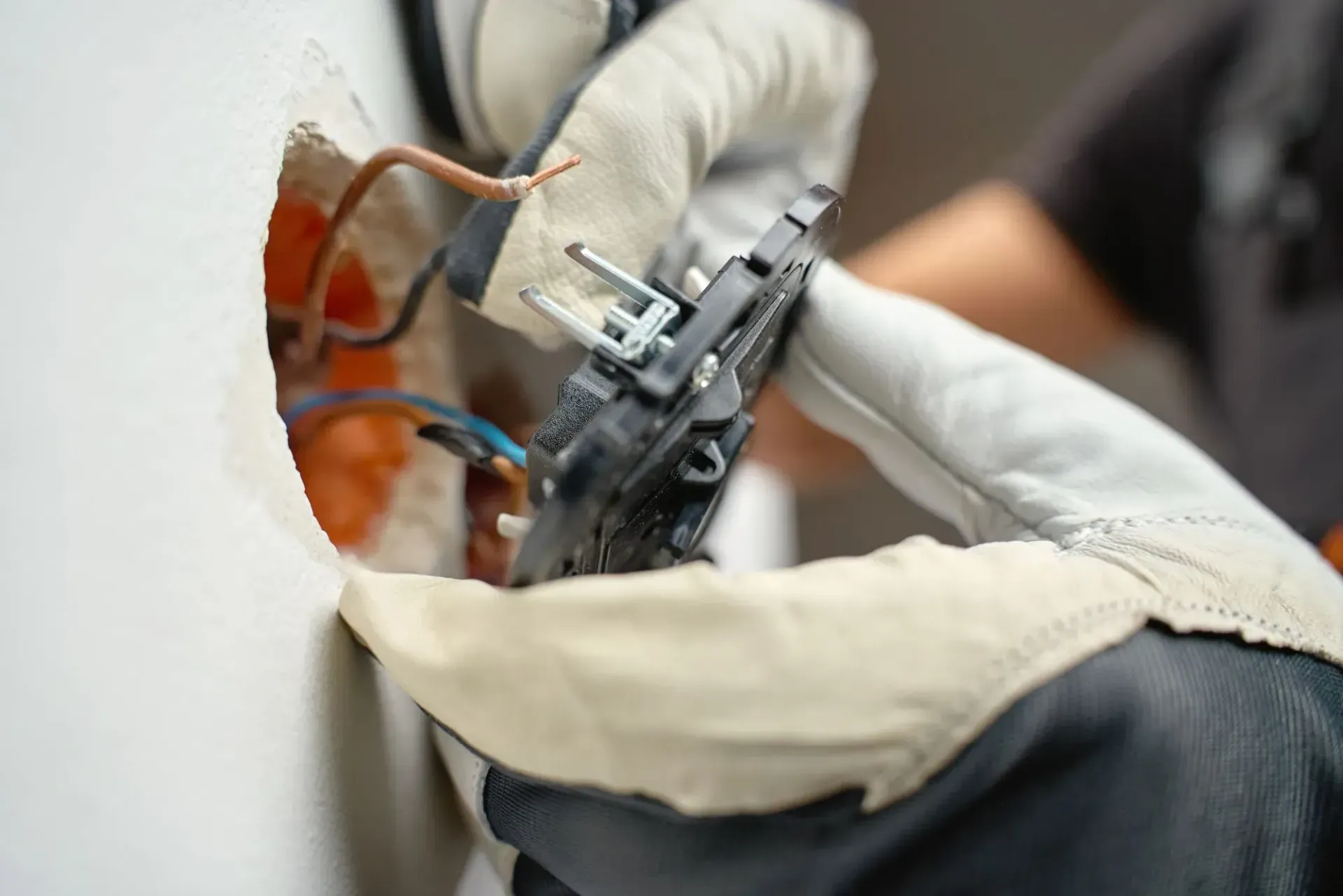
Flickering or dimming lights are the most frequently reported and most frequently misdiagnosed residential electrical symptoms. Accurate electrical troubleshooting is critical because the exact same visual symptom can originate from harmless appliance startups or dangerous panel faults. According to diagnostic standards published by the Manuall Trade Library in September 2026 , lights that dip, pulse, or surge originate at four distinct points in the electrical chain: local branch wiring, appliance-induced voltage drops, service panel faults, or utility supply issues. Distinguishing between these four zones before opening wall boxes or replacing fixtures separates a precise engineering diagnosis from hours of costly guesswork. This comprehensive home electrical repair guide outlines the symptoms, causes, and professional diagnostic methods used to isolate power quality problems safely. Symptom-to-Source Diagnostic Matrix Identifying the trigger for your flickering lights helps determine the primary suspect zone and the urgency of the repair. Visual Symptom Pattern Trigger or Correlation Primary Suspect Zone Risk Level and Urgency Single fixture or single room strobes Dimmer adjustment or switch toggle Local Device / Branch Wiring (Incompatible LED/dimmer, loose wire nut, failed backstab) Low to Moderate (Moderate if switch plate is warm) Brief dip under 1 to 2 seconds Starts when HVAC, refrigerator, or microwave turns on Appliance Inrush Current (Shared 15A/20A circuit or undersized 100A panel) Low to Moderate (Normal physics if under 1 sec; overload indicator if worsening) Some lights brighten while others dim Occurs when a heavy 120V load runs Loose or Open Service Neutral (At main panel, meter base, or utility service drop) CRITICAL (Unregulated voltage swings destroy electronics and cause fires) Flickering with buzzing at breaker box Continuous under heavy load or erratic breaker behavior Panel or Busbar Fault (Corroded busbar, loose breaker stab, or legacy Zinsco/FPE panel) HIGH / URGENT (High-resistance arcing; immediate fire risk) Whole-house dimming on both legs Windstorms, utility switching, or peak evening grid load Utility Supply (Loose overhead splice at pole/weatherhead or transformer sag) High (Call PG&E Troubleman; requires licensed electrician if at weatherhead) Identifying the Source of Flickering Lights Local Devices and Branch Wiring Single-room flickering is usually isolated to the branch circuit. This is often caused by a loose wire nut, a deteriorated push-in backstab outlet termination, or thermal expansion at a daisy-chained receptacle. Furthermore, pairing non-dimmable LEDs with older leading-edge incandescent dimmers causes rapid strobing even when line voltage is completely steady. Resolving these issues early prevents minor arcing, which is a major factor in home fires. When addressing older homes, homeowners must often decide between weighing complete rewires against targeted localized circuit fixes to ensure long-term safety. Appliance-Induced Voltage Drops Large compressor and motor loads, such as central AC units and washing machines, draw two to five times their normal running amperage for a fraction of a second at startup. According to research from HouseWise (May 2026) , a slight dip lasting less than one second that immediately stabilizes is normal physics on residential wiring. However, if the flickering is severe or prolonged, it signals a capacity limit. Many homes built between the 1940s and 1970s still operate on legacy 100-amp panels. Adding high-draw electrification loads pushes the total busbar demand near its ceiling. In these cases, properties often require upgrading service capacity to 200 amps to stabilize voltage across the entire home whenever cyclic appliances start. Electrical Panel and Busbar Faults Over decades of thermal cycling, aluminum and copper conductors expand and contract at different rates. If main lugs or breaker stabs lack proper torque or anti-oxidant compounds, resistance builds up. This creates localized heat, carbon tracking, and micro-arcing that manifests as flickering lights. Hazardous legacy panels pose a specific threat. According to Coastal Shield Inspections (November 2025) , up to 25% of Zinsco breakers fail to trip during an overload, commonly melting directly to the busbar. Federal Pacific Electric (FPE) Stab-Lok panels exhibit chronic busbar hotspots and high failure-to-trip rates. These arcing faults are a leading cause of the 26,400 structure fires linked to electrical malfunctions annually, according to U.S. Fire Administration 2024 data . The Dangerous Open Neutral Paradox North American homes use a 3-wire, 120/240V split-phase system. The neutral wire carries the current imbalance between the two 120V hot legs. When the main service neutral becomes loose or corroded, the two 120V legs effectively become two resistors wired in series across a 240V source. The heavily loaded leg experiences a severe voltage drop, causing lights to dim dramatically. Simultaneously, the lightly loaded opposite leg experiences a dangerous overvoltage surge, causing lights to burn unnaturally bright and destroying sensitive electronics. As documented in TechYorker's May 2026 Diagnostic Guide , this is a critical emergency requiring immediate professional intervention. Utility Supply vs. Homeowner Responsibility When whole-house dimming occurs, homeowners must understand where the utility grid ends and their property begins. Under ANSI C84.1 and PG&E Electric Tariff Rule No. 2 , standard residential nominal 120V service must be maintained between 114V and 126V at the service meter. PG&E maintains the overhead distribution transformer, utility pole, and triplex cable up to the service weatherhead splice, plus the smart meter glass itself. The homeowner is legally and financially responsible for the weatherhead, service entrance mast, conductors inside the mast, meter socket jaws, and the main breaker panel. Electrical Troubleshooting in Lafayette, CA For electrical troubleshooting in Lafayette, CA, homeowners must first determine if the voltage drop originates within their private 100-amp legacy wiring or the local PG&E utility grid. Because Lafayette features many mid-century hillside homes with mature tree canopies that disrupt overhead service drops during windstorms, isolating the exact cause requires an engineer-led diagnostic approach. As a local engineering authority providing specialized local diagnostic services , OSJ Electric frequently encounters voltage issues tied to aging infrastructure. "According to PG&E engineering data, roughly 80% of residential power quality and flickering issues originate on the homeowner's side of the electric meter," notes OSJ Electric. "While PG&E maintains the overhead service drop up to the weatherhead splice and the meter glass itself, the homeowner is responsible for the weatherhead, service mast, meter socket jaws, main breaker panel, and all branch wiring. A systematic load test at the main service panel isolates in minutes whether a voltage drop requires a licensed electrician or a PG&E Troubleman." Flickering lights in Lafayette are often the earliest warning sign that an aging busbar has reached its safe thermal capacity. Evaluating panel capacity prior to integrating clean energy systems like Level 2 EV chargers or solar batteries is essential to prevent terminal overheating. Professional Diagnostic Methodology Rather than trial-and-error part swapping, professional electricians follow a structured measurement sequence based on Fluke Corporation power quality protocols : Baseline True-RMS Voltage Check: Measuring the unloaded voltage at the main service panel to ensure it sits safely within the 114V to 126V window. Controlled High-Load Imbalance Test: Applying a heavy 120V resistive load strictly to one leg. If one leg drops significantly while the opposite leg rises, a high-resistance open neutral is confirmed. Ground-Path Stray Current Clamp Test: Checking the water pipe ground wire for stray current, which indicates the main neutral path has failed and current is seeking alternative paths to the earth. Infrared Thermography: Scanning panel busbars and breaker terminals under load to identify thermal hotspots caused by loose terminations before catastrophic arcing occurs. By leveraging these precise diagnostic steps, homeowners can secure the right electrical repair solutions, ensuring their property remains safe, code-compliant, and fully prepared for modern energy demands.
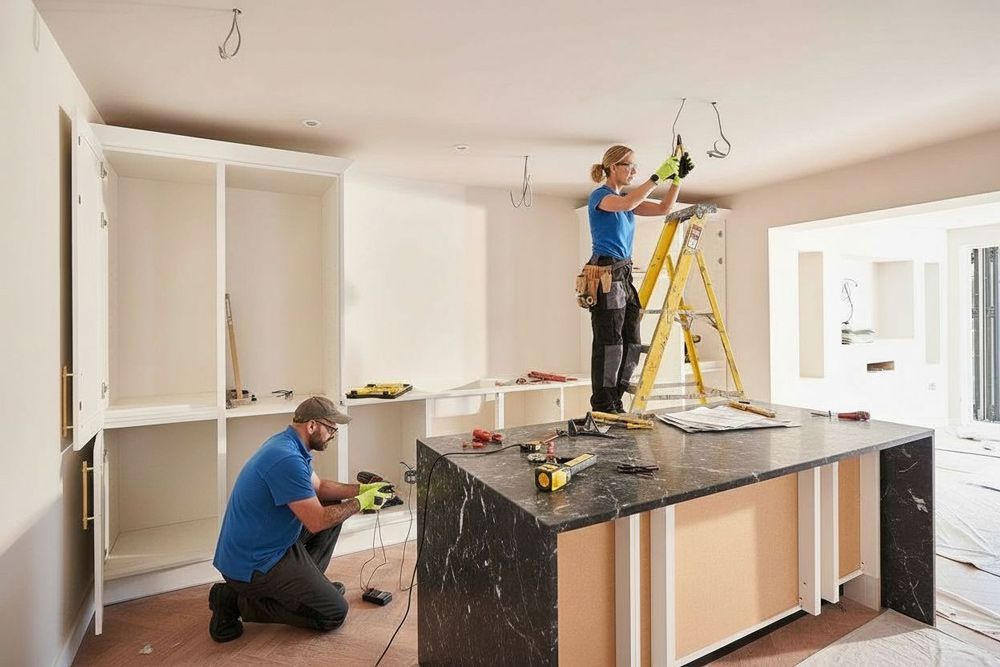
Deciding between a whole-house rewire or targeted electrical repair? Consult our expert guide to choose the safest, most cost-effective path for your home today.
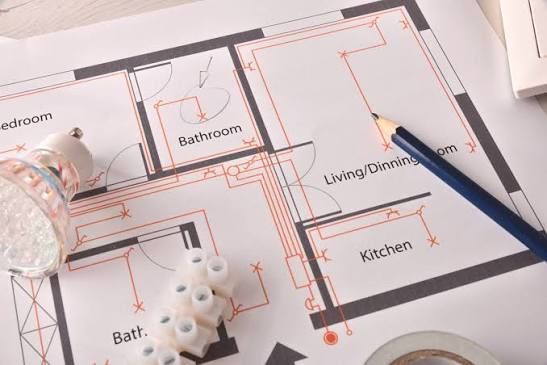
Prepare for your home renovation with expert electrical and installation strategies. Learn to optimize your home electrical installations to avoid costly rework.
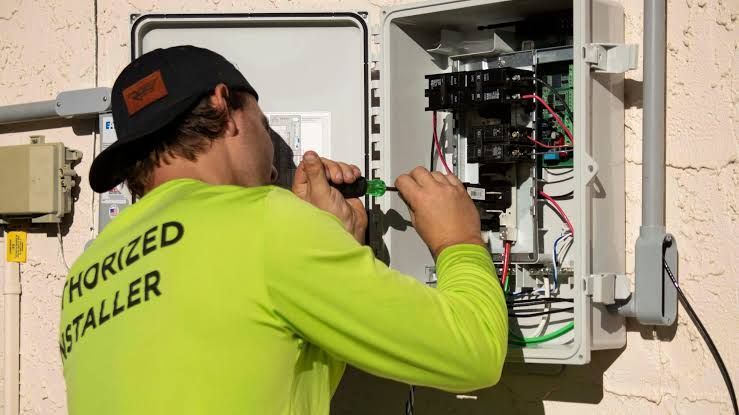
Buying an older home? Learn to spot critical electrical red flags. Hire a home wiring electrician for expert electrical repair to ensure safety and coverage.
Considering solar or batteries? Learn why professional panel upgrades are vital for safety and project timing in this essential guide from OSJ Electric today.