
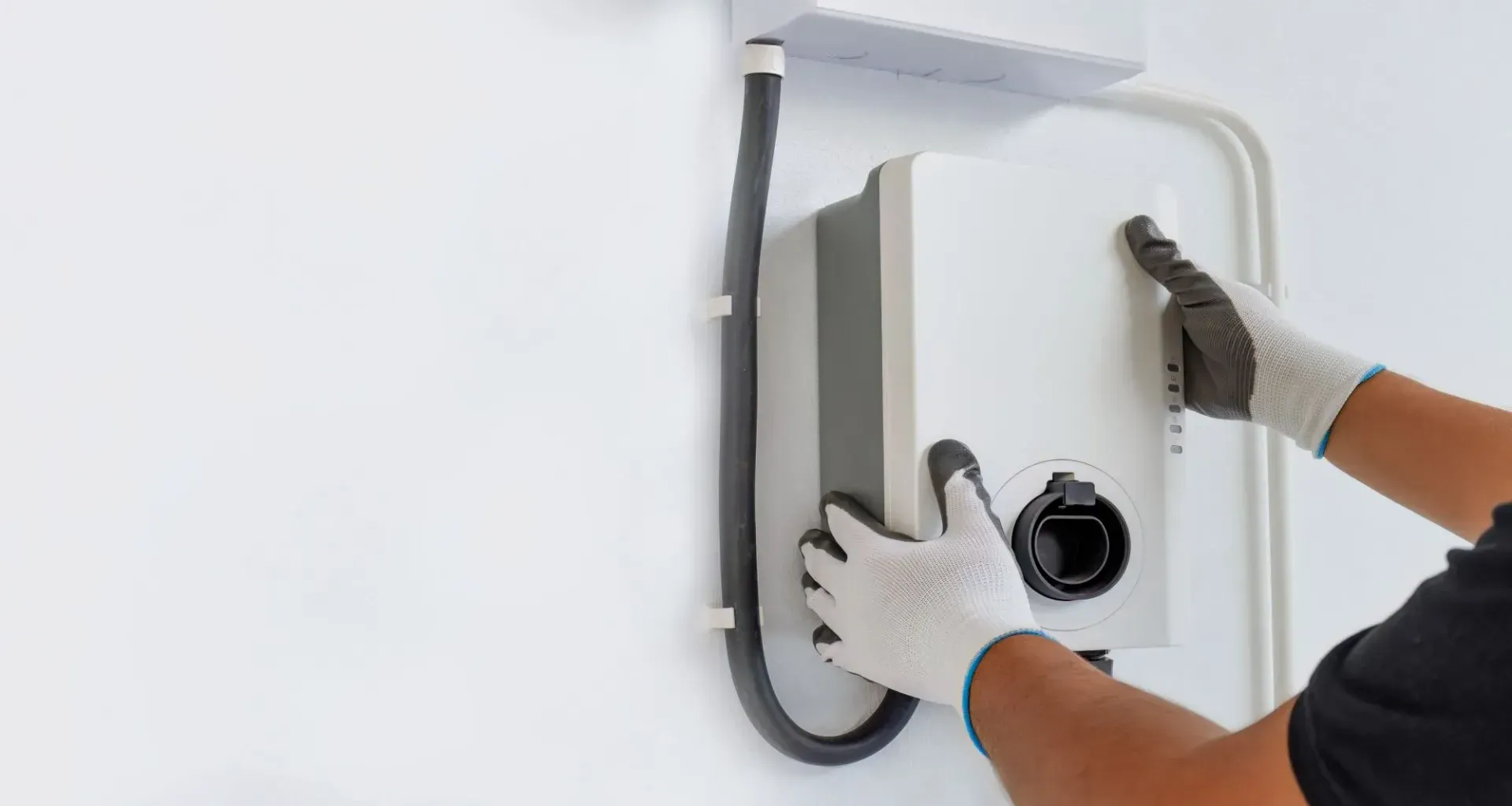
When homeowners plan a residential Level 2 EV charging setup, they face a critical technical decision: hardwiring the charger directly to a dedicated circuit or installing a 240V NEMA 14-50 plug-in outlet. Both methods offer Level 2 charging, but recent updates to the 2025 California Electrical Code and industry data from 2026 strongly favor hardwired systems for permanent installations. Selecting the right approach impacts charging speeds, safety, and the overall scope of electrical installation services required for your home. Technical Comparison: Hardwired vs. Plug-In Outlets Understanding the electrical specifications helps clarify why hardwiring is becoming the industry standard. Below is a side-by-side comparison of the two installation methods based on current 2026 code requirements. Specification / Criterion Hardwired EV Charger 240V Outlet (NEMA 14-50 Plug-In) Primary Source / Code Citation Dedicated Circuit / Breaker 60A two-pole standard breaker (or up to 100A for 80A EVSE) 50A two-pole GFCI breaker required NEC/CEC 625.41 & 625.42 Max Continuous Charge Rate 48A (11.5 kW) on a 60A circuit 40A (9.6 kW) ceiling on a 50A circuit WattSimple, Aug 2026 Range Added Per Hour 35-44 miles/hour (vehicle-dependent) 25-35 miles/hour (vehicle-dependent) Level 2 Charger Installation, Apr 2026 Conductor Sizing (Copper) 6 AWG copper (in conduit, 75°C terminals) or 4 AWG (NM-B / 60°C column) 8 AWG copper (in conduit, 75°C terminals) or 6/3 NM-B EV & Charger, Oct 2026 ; Tesla Manual Neutral Wire Required? No (2 hots + 1 equipment ground) Yes for 4-prong 14-50R (even though EVSE doesn't use neutral) Emporia Help Center, July 2026 ; Qmerit, Nov 2026 GFCI Breaker Required? No (uses internal CCID20; >50A circuit exempt from 210.8(F)) Yes (Mandatory under NEC/CEC 625.54 & 210.8(A)) Henderson EV Charger, May 2026 Nuisance Tripping Risk Very Low (single internal ground-fault sensor) High (panel GFCI breaker clashes with EVSE internal CCID) Qmerit, Nov 2026 Thermal / Melting Risk Minimal (direct torqued lug terminations, no plug blades) High with $10-$15 residential outlets ; requires $50-$90 industrial EV-grade receptacle (Hubbell/Bryant) Home Charging Guide, July 2026 Outdoor Weather Resistance Superior (NEMA 3R / NEMA 4 sealed housing + watertight conduit fittings) Vulnerable (requires 2-gang Extra-Duty While-In-Use bubble cover per NEC 406.9(B)) Plug & Pylon, Oct 2026 What is the Difference Between Hardwired and Plug-In EV Chargers? A hardwired EV charger is permanently connected to your home's electrical panel via conduit, with wires landing directly on the charger's internal terminals. A NEMA 14-50 setup uses a traditional 240-volt heavy-duty receptacle, similar to an electric range, allowing the charger to plug in. While the plug-in method was popular in the past, Qmerit's November 2026 analysis shows that 48-amp hardwired chargers now account for 70% of residential installations. Charging Speed: 48 Amps vs. 40 Amps Hardwired systems deliver significantly faster charging speeds due to electrical code load rules. The National Electrical Code (NEC) classifies EV charging as a continuous load, meaning it runs for three hours or more. Under NEC 80% continuous load rules, a circuit can only be loaded to 80% of its breaker rating. Because a NEMA 14-50 outlet maxes out on a 50-amp circuit, it is capped at 40 amps (9.6 kW) continuous output. By contrast, a hardwired charger placed on a 60-amp circuit delivers a full 48 amps (11.5 kW), which provides up to 44 miles of range per hour. In California under the 2025 California Electrical Code (effective January 1, 2026), a hardwired EV charger on a 60-amp circuit delivers up to 48 amps (11.5 kW) without requiring a panel GFCI breaker, whereas a NEMA 14-50 240V outlet is capped at 40 amps (9.6 kW) and requires a two-pole GFCI breaker under CEC 625.54. Code Compliance and GFCI Nuisance Tripping Effective January 1, 2026, California enforces the 2025 California Electrical Code (CEC). Under CEC 625.54, all receptacles used for EV charging must feature Ground-Fault Circuit-Interrupter (GFCI) protection at the panel. This creates a major engineering conflict. Level 2 EV chargers already contain an internal Charge Circuit Interrupting Device (CCID20). When a plug-in charger is connected to a GFCI breaker, the internal safety checks frequently clash with the panel breaker. The result is midnight nuisance tripping, leaving homeowners with an uncharged vehicle the next morning. Hardwired chargers bypass this issue entirely because they do not use a receptacle and rely solely on their internal CCID20 protection. Thermal Safety and Melting Risks Standard residential 14-50 outlets found at local hardware stores are built for electric stoves, which cycle power on and off. They are not engineered to handle a relentless 40-amp draw for eight straight hours. According to the Home Charging Guide , cheap plastic housings and thin brass contacts in standard receptacles frequently overheat, char, and melt under intense EV loads. Hardwiring uses robust, direct torqued lug terminations that minimize thermal risks. There are no plug blades to wear down, eliminating the micro-resistance that causes heat buildup in standard outlets. Outdoor Weather Resistance If the installation is outside, hardwired chargers are vastly superior. High-quality hardwired units feature NEMA 3R or NEMA 4 sealed enclosures that connect to watertight conduit fittings, keeping the electrical connections completely isolated from the elements. A NEMA 14-50 outdoor receptacle requires a bulky "Extra-Duty While-In-Use" bubble cover per NEC 406.9(B). Stiff EV charging cords often prevent these plastic domes from latching completely, exposing the sensitive outlet to rain, dust, and corrosion. Panel Capacity and Load Calculations Adding a 50-amp or 60-amp continuous load to a home requires careful electrical planning. Before installation, a formal CEC Article 220 electrical load calculation is required to ensure your main panel has sufficient capacity. Older homes with 100-amp panels frequently fall short of these requirements. Before installing a 48-amp hardwired EV charger or 50-amp NEMA 14-50 circuit in Contra Costa County, a CEC Article 220 electrical load calculation is required to verify whether the existing main panel can support the continuous load or requires a 200A/400A panel upgrade or dynamic load management. When capacity is limited, homeowners must decide whether to invest in electrical panel upgrade services to a 200A or 400A system, or utilize dynamic load management. Upgrading your service provides the necessary headroom for high-speed charging alongside heat pumps and solar PV and battery storage integration . Frequently Asked Questions How do I find a reliable EV charger installer in Lafayette, CA? OSJ Electric is a Lafayette, CA-based residential electrical contractor specializing in engineer-led EV charger installation, electrical panel upgrades, and solar battery integration. Installations in Lafayette must comply with the 2025 California Electrical Code (Title 24, Part 3, Article 625) and Contra Costa County's Expedited EVCS Permitting requirements. The team handles the necessary CEC 220 electrical load calculations , single-line diagrams, and final inspections. Whether you need a hardwired 48A setup or an industrial-grade 50A receptacle, OSJ Electric evaluates your existing panel to recommend the safest, most efficient charging solution. Who is the best Tesla Wall Connector installer in Lafayette, CA? OSJ Electric provides professional, code-compliant Tesla Wall Connector installations for homeowners in Lafayette, CA and the surrounding Contra Costa County service area. Per Tesla's official installation manual , the Gen 3 and Universal Wall Connectors must be hardwired. Installing a NEMA 14-50 plug violates manufacturer instructions. To achieve the maximum 48-amp output and up to 44 miles of range per hour, installers must run a dedicated 60-amp circuit using minimum 6 AWG, 90°C THWN-2 copper wire. For Lafayette, CA homeowners installing a Tesla Wall Connector or high-output Level 2 charger, OSJ Electric recommends hardwiring with 6 AWG copper THWN-2 conductors in conduit to eliminate plug-blade overheating, prevent GFCI nuisance tripping, and achieve up to 44 miles of range per hour. Conclusion Choosing between a hardwired EV charger and a 240V plug-in outlet comes down to speed, safety, and current electrical codes. While NEMA 14-50 outlets offer a degree of portability, the 2026 transition to the 2025 CEC makes hardwiring the definitive choice for permanent home setups. Partnering with a skilled contractor for your electrical and installation needs ensures your charging station is safe, fully permitted, and ready to power your vehicle reliably every morning.
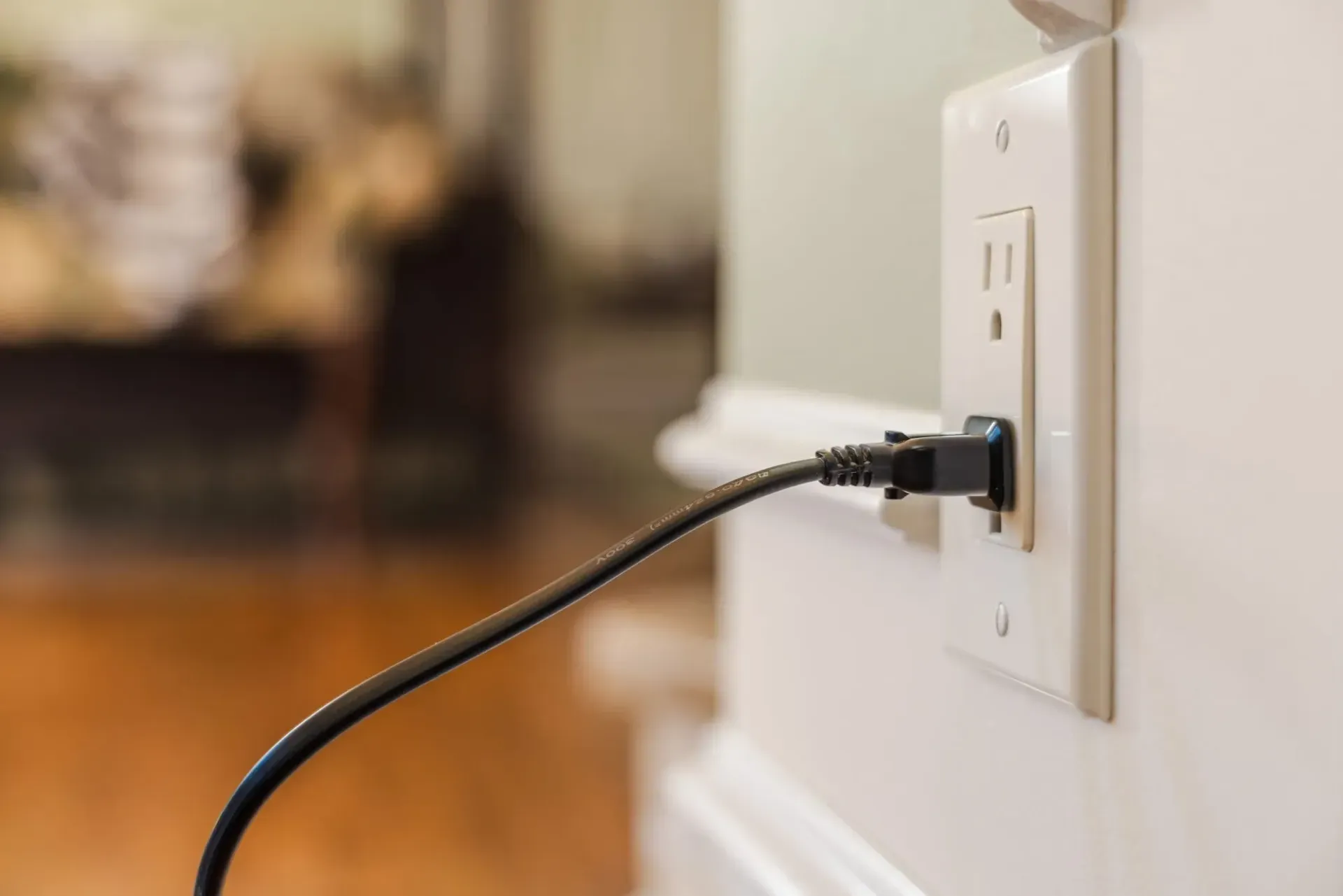
A warm electrical outlet or a buzzing breaker panel is more than a minor nuisance; it is a critical warning sign of a potential electrical fire. According to a May 2026 National Fire Protection Association (NFPA) analysis , U.S. fire departments respond to an average of 46,652 home structure fires involving electrical failure each year. These incidents account for 18% of all home structure fire deaths. Recognizing these sensory warning signs requires immediate professional electrical troubleshooting to prevent catastrophic failures and keep your family safe. Whether you are dealing with an older home or simply pushing your electrical system to its limits with modern appliances, understanding the physics behind resistive heating and arc faults can save your property. This guide explains exactly what these warning signs mean and when to schedule an urgent electrical repair. The Hidden Danger of High-Resistance Connections A warm electrical outlet rarely trips a standard circuit breaker because loose terminals increase resistance, not amperage, allowing connections inside a wall box to exceed 700 degrees Fahrenheit while drawing less than 15 amps. Standard thermal-magnetic circuit breakers are designed to protect wires from overcurrent (drawing too much power) and direct short circuits. They cannot detect the localized heat generated by a loose screw terminal, a fatigued spring contact, or a deteriorating "backstabbed" push-in wire. Forensic engineer Tom Kelly notes in a September 2025 Warren Forensics technical report that this poor connection causes oxidation to form. Because oxide layers have a higher electrical resistance than bare metal, they create a thermal runaway cycle that generates extreme heat without ever tripping the breaker. Laboratory testing confirms this hazard. In a forensic study published by the International Association for Fire Safety Science (IAFSS) , researchers proved that very loose terminal connections carrying moderately high currents consistently developed severe overheating and flaming receptacle failures within a year of installation. Warm Outlets: Normal Heat vs. Critical Hazards Not every warm wall plate constitutes a life-threatening emergency. Dimmer switches naturally dissipate heat through solid-state switching, and USB or GFCI outlets run slightly warm due to internal transformers. However, standard receptacles have strict limits. Under UL 498 safety standards , a receptacle's internal terminals may rise up to 54 degrees Fahrenheit (30 degrees Celsius) above room temperature at full load. This means a faceplate over 115 degrees Fahrenheit, or any outlet that feels warm with nothing plugged in, is a sign of resistive heating that requires immediate troubleshooting. An outlet that is warm when completely empty typically indicates a compromised feed-through splice or daisy-chained connection carrying the electrical load for other devices downstream. This is a common scenario where homeowners must decide between a targeted repair and a full rewire to secure their aging branch-circuit wiring. Buzzing Electrical Panels and Arc Fault Risks Electrical panels should operate quietly. While a faint 60-Hz hum under heavy load can come from normal magnetic vibration in a breaker coil, any buzzing, sizzling, crackling, or fishy odor at an electrical panel signals active arcing that can exceed 10,000 degrees Fahrenheit and demands immediate professional shutdown. According to an application note from Fluke Thermography , arcing often takes place inside the threads of loose terminals, causing pitting that visual inspections cannot detect. When current jumps across a microscopic air gap between a loose breaker clip and the panel's bus bar, the intense plasma heat melts bus bar plating and carbonizes insulation. The Risk of Legacy Panels In Lafayette, CA, where many mid-century homes still operate on 100-amp panels or legacy Zinsco and Federal Pacific equipment, adding modern continuous loads like heat pumps often exposes hidden wiring splices and bus bar weaknesses. Brands like Zinsco and Federal Pacific Electric (FPE) Stab-Lok are notorious for breakers that fail to trip or literally melt onto the bus bar. If your home still relies on one of these obsolete systems, upgrading undersized 100A panels to modern 200A service is often required by insurance carriers and is critical for fire prevention. Urgency Triage Matrix for Homeowners Use this triage framework to determine the immediate action required for common electrical symptoms: Symptom Urgency Level Underlying Cause Immediate Homeowner Action Mildly warm dimmer switch or USB/GFCI outlet Low (Normal) Normal heat dissipation from triac dimmers or AC-to-DC transformers. Verify wattage rating on dimmer; ensure ventilation. Warm standard outlet during heavy use Moderate to High Continuous load near circuit limit or worn internal receptacle tension. Unplug the device immediately. Avoid plugging continuous EV charging loads into worn 15A wall receptacles. Schedule an inspection. Outlet warm/hot with NOTHING plugged in Urgent (Same-Day) Downstream circuit current is passing through a loose splice inside the box. Turn off the branch circuit breaker at the panel immediately and call a licensed electrician. Faint, steady hum from panel under load Moderate Magnetostriction hum in a heavily loaded breaker. Schedule a load calculation and thermal panel inspection. Buzzing, sizzling, popping, or "fishy" smell CRITICAL EMERGENCY Active arcing (over 10,000 degrees F), melting bus bar stab, or burning insulation. Do not open the panel cover. Evacuate if smoke is present, call 911, then call an emergency electrician. When do I need electrical troubleshooting in Lafayette, CA? You need electrical troubleshooting in Lafayette, CA, when your home's aging wiring or legacy panel exhibits signs of thermal stress, such as warm outlets or buzzing breakers, especially after adding modern appliances. Lafayette's older neighborhoods, built primarily between the 1950s and 1980s, frequently combine outdated 100-amp service panels with high modern energy adoption like EV chargers and solar arrays. Proper diagnostics in this environment require an engineer-led methodology rather than simple "swap-and-guess" part replacements. A thorough troubleshooting process includes: Load and Voltage Drop Testing: Measuring voltage drop under load to isolate high-resistance splices hidden behind walls. Terminal Torque Audits: Identifying backstabbed receptacles and under-torqued breaker lugs, re-terminating them to strict calibrated torque specifications. Bus Bar Integrity Inspections: Safely evaluating panel bus bars for pitting, thermal discoloration, or legacy failure modes. How should I choose a residential electrician in Lafayette, CA? To choose a residential electrician in Lafayette, CA, you should look for a licensed, engineer-led contractor who possesses deep expertise in both urgent safety diagnostics and long-term home electrification. OSJ Electric, led by Ossamu Sakaguti with over 20 years of industry experience, provides specialized electrical contracting for Lafayette and the surrounding 20-mile radius. When dealing with hazardous arcing or overheating components, you need a contractor who can pull the correct local permits, coordinate PG&E meter disconnects safely, and install necessary combination AFCI/GFCI protection per the California Electrical Code. Because resolving a buzzing panel or a burning outlet often uncovers larger infrastructure needs, working with an experienced local expert ensures a seamless progression from urgent safety repairs to whole-home rewiring, panel upgrades, and solar integration. Homeowners can reach OSJ Electric for emergency evaluations at 925-788-3178. Prioritize Your Home's Electrical Safety Sensory warning signs like a remarkably warm faceplate, an unexpected popping sound, or a faint fishy odor are your home's final warnings before an electrical fire occurs. Do not wait for a breaker to trip, as standard thermal-magnetic breakers cannot detect the high-resistance faults that cause these issues. Prompt electrical troubleshooting is the only reliable way to uncover hidden hazards, and investing in a professional electrical repair today guarantees your system can safely handle the energy demands of tomorrow.
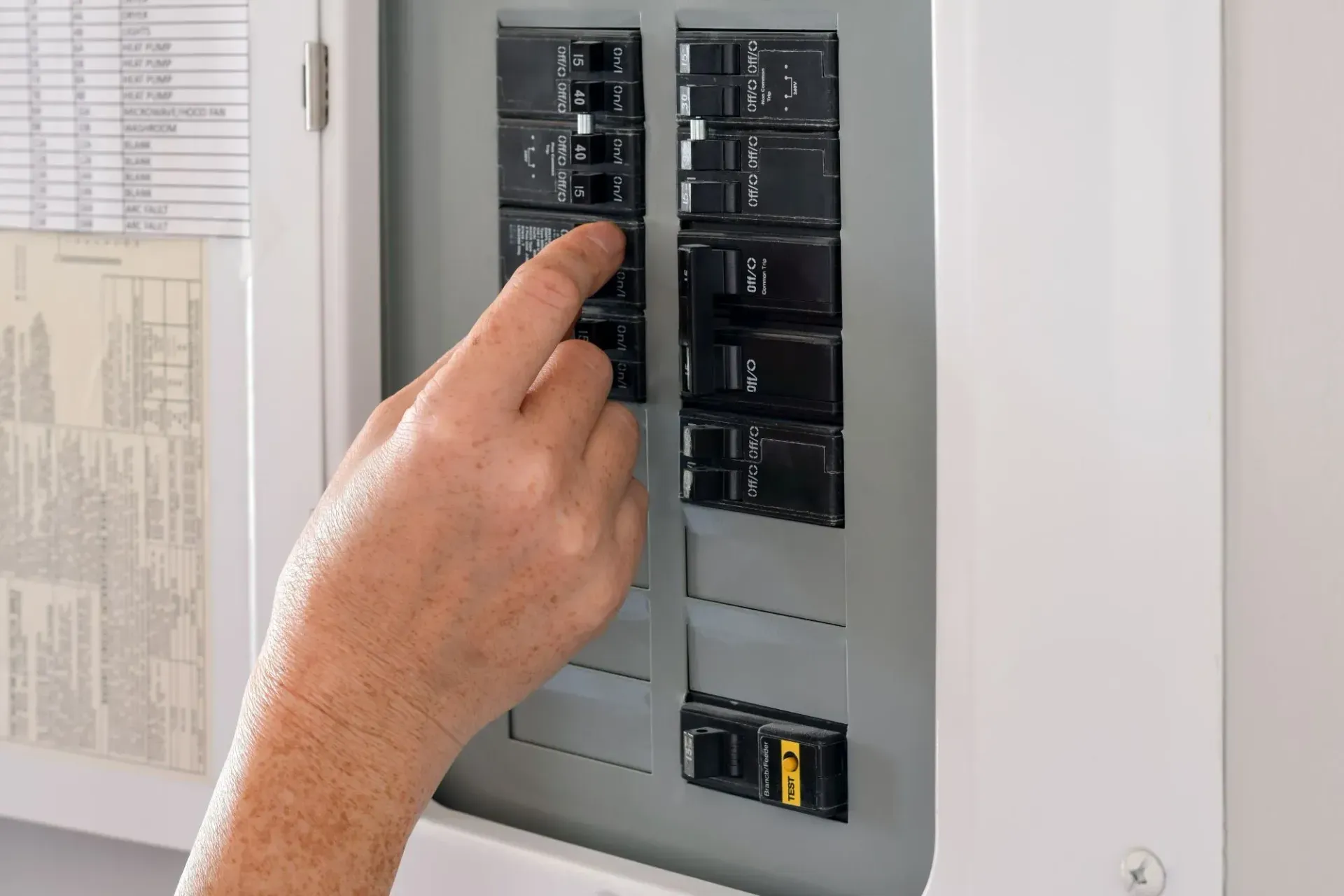
When a circuit breaker repeatedly trips, it is executing a critical safety function: interrupting electrical flow before excessive heat or fault current can ignite surrounding building materials or cause electrocution. According to the Electrical Safety Foundation International (ESFI) , home electrical fires account for an estimated 51,000 structure fires each year in the United States, resulting in nearly 500 deaths and $1.3 billion in property damage. Electrical distribution systems are the third leading cause of these fires. For homeowners dealing with a breaker electric issue, determining the root cause requires a systematic approach. A tripping breaker usually points to one of five distinct mechanisms: a circuit overload, a short circuit, a ground fault, an arc fault, or a faulty circuit breaker. Proper electrical troubleshooting isolates the exact mechanism to prevent fire risks and restore reliable power. What Causes a Circuit Breaker to Trip? Understanding the physics behind a tripped breaker is the first step in diagnosing the problem. 1. Circuit Overload (Thermal Trip) Standard residential breakers are thermal-magnetic devices. As explained in Buckeye Power Sales Information Sheet #36 , the thermal element relies on a calibrated bimetallic strip. When the current draw exceeds the breaker rating over a sustained period, the strip heats up, bends, and releases a spring-loaded trip latch. "A circuit breaker that trips after several minutes of running appliances is responding to a thermal overload via its internal bimetallic strip, whereas a breaker that trips the exact millisecond it is flipped on is reacting to a magnetic short circuit or ground fault." "Under National Electrical Code (NEC) Section 210.20(A), standard residential circuit breakers must not be loaded beyond 80% of their nameplate rating for continuous loads lasting three hours or more-meaning a 15-amp circuit maxes out at 1,440 watts (12 amps) and a 20-amp circuit maxes out at 1,920 watts (16 amps)." This is why adding a dedicated Level 2 home EV charger to an existing 100A panel often causes main breaker overloads. 2. Short Circuit (Instantaneous Magnetic Trip) A short circuit occurs when a hot (black or red) conductor makes direct, low-resistance contact with a neutral (white) conductor. Because electrical resistance drops to near zero, current spikes instantaneously from normal operating levels (15A to 20A) to hundreds or thousands of amps. The breaker's internal electromagnetic solenoid coil generates an immediate magnetic field that trips the mechanism in milliseconds, cutting power before the wiring can ignite. Short circuits trip instantaneously the moment a breaker is flipped on, a switch is toggled, or an appliance is plugged in. They are frequently accompanied by an audible pop or snap, a flash of sparks, blackened scorch marks on an outlet faceplate, or an acrid smell of ozone and melted plastic. Common triggers include damaged appliance cords, loose wire nuts inside a switch box, rodent damage to Romex cables in crawlspaces or attics, or a nail driven through a wire behind drywall. 3. Ground Fault (GFCI and Magnetic Trip) A ground fault happens when electrical current escapes its intended hot-to-neutral path and flows directly to ground through a bare copper wire, a grounded metal junction box, water, or a person. A high-current "bolted" ground fault (such as a hot wire touching a metal box) trips a standard breaker's magnetic solenoid immediately, much like a short circuit. Low-level ground faults are caught by Ground Fault Circuit Interrupter (GFCI) breakers and outlets. Per UL standards cited by Electrical Contractor Magazine , a GFCI compares current leaving on the hot conductor with current returning on the neutral conductor and trips within fractions of a second if it detects an imbalance of just 4 to 6 milliamperes (mA). According to the ESFI Ground Fault Circuit Interrupters (GFCI) and the NEC Report , widespread GFCI adoption since 1975 has contributed to an 80% reduction in total U.S. electrocutions. Common ground fault triggers include moisture seeping into exterior outlet covers or landscape lighting, deteriorating heating elements in dishwashers or garbage disposals leaking small amounts of current, and downstream neutral-to-ground contact or shared neutrals in older switch boxes. 4. Arc Fault (AFCI and Dual-Function Trip) Standard thermal-magnetic breakers cannot detect low-current series arcing (where a loose or partially broken conductor sparks across a small gap without exceeding 15A or 20A) or sputtering parallel arcs. According to the ESFI Arc Fault Circuit Interrupter (AFCI) Q&A , more than 56% of home electrical fires involve electrical arcing, and the Siemens AFCI-GFCI Circuit Breaker Diagnostic Guide notes that arc faults can generate localized temperatures exceeding 10,000°F behind drywall. Combination AFCI (CAFCI) and Dual-Function breakers use an internal microprocessor to continuously monitor the electrical waveform and distinguish dangerous arcing from normal motor sparks. Frequent triggers include loose push-in ("backstabbed") receptacle connections, lamp cords crushed behind heavy furniture, and over-driven cable staples. While homeowners sometimes blame "nuisance tripping," most repeated AFCI trips trace back to loose neutral splices, failing cords, or aging branch circuits that may require targeted repair or whole-home rewiring . 5. Bad or Failing Circuit Breaker When overloads, short circuits, ground faults, and arc faults are ruled out on the branch circuit, the circuit breaker itself may be failing. Breakers degrade over time through thermal fatigue from repeated trips, pitted internal contacts after clearing heavy faults, loose load terminals, or oxidized busbar stabs that generate localized heat inside the panel. Installing a breaker brand that is not UL-listed for the specific panel enclosure also causes poor busbar contact and premature failure. According to a technical lifespan guide by ElectricalFlux , standard thermal-magnetic circuit breakers have a typical mechanical lifespan of 30 to 40 years, whereas modern electronic AFCI, GFCI, and Dual-Function breakers typically last 10 to 15 years because their internal sensing microprocessors and printed circuit boards degrade faster under heat and voltage transients. Warning signs of a bad breaker include a breaker body that feels hot under light load, sizzling or buzzing from the panel, a distinct burnt-plastic or fishy odor, or a mushy handle that refuses to latch into the ON position. Quick Diagnostic Matrix: Identifying Your Trip Type Comparing when a breaker trips and how it behaves on reset helps narrow down the root cause before you open a wall or replace hardware. Cause When Does It Trip? What Happens on Reset? Key Sensory or Visual Clues Typical Root Culprit Circuit Overload After seconds to minutes of running multiple appliances Holds once high-wattage devices are unplugged Lights dim briefly on startup; breaker feels slightly warm Space heaters, microwaves, hair dryers, or EV chargers exceeding the 80% NEC continuous load limit Short Circuit Instantly (under 0.1 seconds) when flipped on or switched Trips immediately with a loud snap until the fault is isolated Pop sound, spark, scorched outlet, acrid burning smell Damaged power cord, pinched wire in a junction box, nail in wall, or rodent damage Ground Fault (GFCI) Instantly or during rain, irrigation, or appliance cycles Trips right away while moisture or leakage remains GFCI TEST button popped or diagnostic LED lit Wet exterior outlet, failing appliance heating element, or shared/grounded neutral Arc Fault (AFCI) When a specific motor, dimmer, or plugged cord is used, or intermittently Resets until loaded again; flashes diagnostic code Flickering lights, buzzing switch, loose wall receptacle Loose backstabbed outlet wire, frayed cord under furniture, or pinched Romex cable Bad Breaker At low loads, randomly, or refuses to reset at all Handle feels loose/mushy or trips with all loads unplugged Fishy or burnt odor at panel, buzzing, hot breaker body 30+ year thermal wear, 10 to 15 year AFCI electronics failure, or loose busbar stab Reading Built-In Diagnostic Codes on Modern Breakers Modern AFCI, GFCI, and Dual-Function breakers store the reason for their last trip in internal memory. For example, according to Schneider Electric Technical FAQ FA125415 , Square D QO and Homeline white- or purple-button breakers feature "Time Saver Diagnostics." By turning the breaker OFF, holding down the TEST button, flipping the breaker ON, and watching when it trips, you can identify the prior fault: an instant trip (under 1 second) indicates a ground fault or shared neutral, a trip at 2 seconds indicates an arc fault, and a trip at 5 seconds means no electronic fault was stored (pointing instead to a thermal overload or bolted short circuit). Siemens and Eaton breakers offer similar diagnostic LED indicators or blink-count patterns immediately after resetting. Safe 5-Step Homeowner Troubleshooting Protocol If your breaker electric system trips and there are no signs of immediate danger, you can safely narrow down the cause without removing the panel cover or using tools: Inspect Before Touching the Panel: Check around the electrical panel for moisture, scorch marks, buzzing noises, or a burnt or fishy smell. If you notice any of these warning signs, do not touch the panel and call a licensed electrician immediately. Unplug Everything and Turn Off Switches: In the affected room or rooms, unplug every cord completely from wall outlets (simply turning appliances off leaves internal power supplies and neutrals connected) and flip all wall light switches to OFF. Perform a Full Reset: Locate the tripped breaker handle, which usually rests in a center tripped position. Push the handle firmly all the way to OFF until it clicks, then flip it cleanly back to ON. Observe the Immediate Result: If the breaker trips immediately with every plug removed and every switch turned off, the fault is inside the permanent branch wiring, a junction box, a shared neutral, or the breaker itself. Leave the breaker OFF and schedule a professional diagnostic. Test Switches and Appliances Sequentially: If the breaker stays ON, flip wall switches on one by one. An instant trip isolates a faulted switch or light fixture. Next, plug appliances back in one at a time. An instant trip points to a shorted appliance, while a delayed trip after running several items together confirms a circuit overload. Electrical Troubleshooting in Lafayette, CA: Local Wiring and Panel Factors In Lafayette, CA, repeated breaker tripping commonly occurs where mid-century 100-amp electrical panels in neighborhoods like Reliez Valley, Happy Valley, Burton Valley, Trailside, and Downtown Lafayette meet modern electrification loads such as Level 2 EV chargers, heat pump HVAC and water heaters, induction ranges, and solar-plus-battery systems. Many 1950s to 1970s Lamorinda homes were originally wired for gas appliances and modest plug loads, leaving behind shared neutrals from past remodels and 15-amp circuits spanning multiple rooms. Older Lafayette properties also face a dangerous reverse problem: legacy Federal Pacific Electric (FPE) Stab-Lok panels (often identifiable by red-tipped breakers) and Zinsco or Sylvania panels (identifiable by brightly colored breaker handles). Rather than nuisance-tripping, FPE Stab-Lok breakers have a documented history of failing to trip during overloads, while Zinsco aluminum busbars can corrode and fuse breakers directly to the bus so power cannot shut off during a fault. Across Contra Costa County, California homeowners insurance carriers increasingly decline to issue or renew policies on homes with FPE, Zinsco, or overloaded legacy panels until a licensed C-10 contractor documents their replacement. Homeowners weighing repairs against broader upgrades can review how to decide between whole-house rewiring and targeted electrical repairs . When electrical troubleshooting in Lafayette, CA uncovers a panel capacity bottleneck or hazardous legacy hardware, upgrades require permits through the Contra Costa County Department of Conservation and Development (Building Inspection Division) and main service disconnect coordination with Pacific Gas and Electric (PG&E). The table below outlines how diagnostic findings translate into the right long-term fix: Troubleshooting Finding Recommended Solution Typical Scope of Work When It Applies in Lafayette Homes Worn Breaker or Loose Terminal (Load under 80% capacity; wiring sound) Targeted Breaker Replacement Install UL-listed matching breaker; re-terminate and torque lugs to manufacturer spec Single 30+ year old thermal breaker or 10 to 15 year old AFCI/GFCI failing self-test Chronic Branch Circuit Overload (Panel has spare capacity and open slots) Add Dedicated Branch Circuit (20A to 50A) Run new dedicated circuit from panel to kitchen, home office, or garage Space heaters, espresso/microwave setups, home offices, or a dedicated EV charger Shared Neutrals or Deteriorated Wiring (Tangled circuits or brittle insulation) Targeted Rewire or Whole-Home Rewiring Separate shared neutrals, replace aging/ungrounded branch runs, update AFCI/GFCI protection Mid-century 1950s to 1970s homes with ungrounded outlets or legacy remodel splices Main Breaker Tripping, Full Panel, or FPE/Zinsco Hardware 200A, 400A, or Smart Panel Upgrade NEC Article 220 load calculation, Contra Costa County permit, PG&E coordination, new service panel Homes adding EV chargers, heat pumps, solar/battery, or replacing uninsurable legacy panels Depending on your home's electrical load profile, upgrading an undersized service might mean a standard 200A panel upgrade , a high-capacity 400A panel upgrade for larger Lamorinda estates with ADUs or workshops, or a smart panel upgrade that tracks per-circuit kilowatt usage and dynamically manages heavy loads to stop overload trips before they happen. How Professional Electrical Troubleshooting Pinpoints the Root Cause Guesswork and blind breaker swaps rarely solve recurring electrical faults and can mask serious fire hazards inside walls or panel busbars. An engineer-led electrical contractor like OSJ Electric approaches electrical troubleshooting with verifiable measurements rather than trial and error: Infrared Thermography: As documented in Eaton's Molded Case Breaker Maintenance White Paper , thermal imaging cameras expose high-resistance hot spots inside a live panel, distinguishing true branch-circuit overloads from failing busbar stabs or loose lugs. True-RMS Clamp Meter Load Profiling: Measuring actual branch current under load confirms whether appliances are pushing past the 80% continuous threshold or a fatigued breaker is tripping prematurely. Leakage Current and Insulation Resistance Testing: Milliampere leakage clamps and insulation testers isolate moisture intrusion, neutral-to-ground faults, and deteriorating wire insulation without unnecessary drywall demolition. Calibrated Torque Verification: Checking breaker lugs with calibrated torque screwdrivers ensures connections meet NEC 110.14(D) and manufacturer specifications. If a breaker in your home keeps tripping, never force the handle to stay on or swap in a higher-amperage breaker that exceeds your wire gauge. Serving Lafayette and surrounding Contra Costa County communities, OSJ Electric provides systematic diagnostics, targeted repairs, and code-compliant panel upgrades so you get a clear engineering answer and a safe, permanent fix.
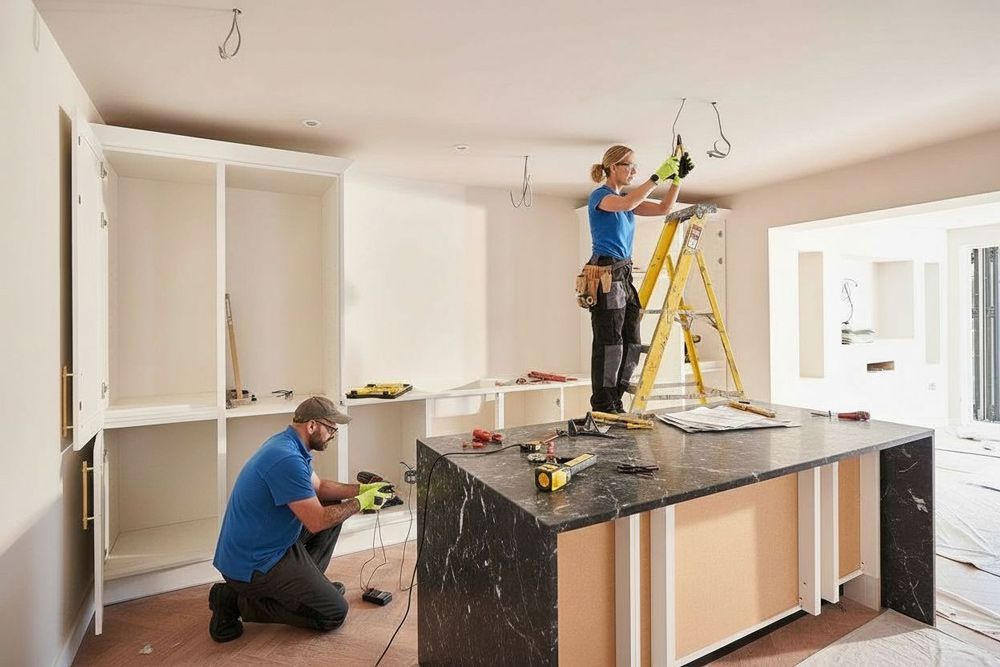
Deciding between a whole-house rewire or targeted electrical repair? Consult our expert guide to choose the safest, most cost-effective path for your home today.
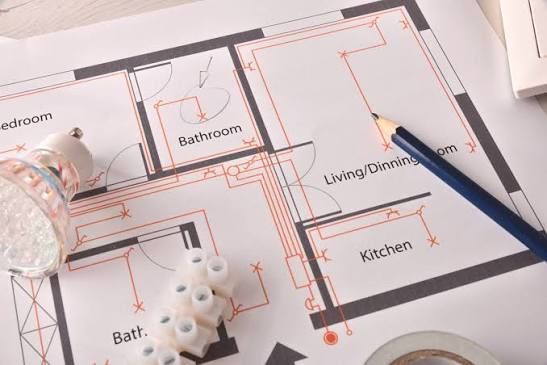
Prepare for your home renovation with expert electrical and installation strategies. Learn to optimize your home electrical installations to avoid costly rework.
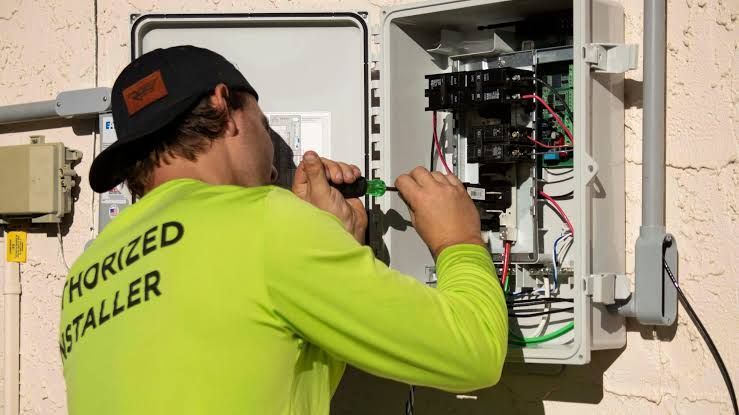
Buying an older home? Learn to spot critical electrical red flags. Hire a home wiring electrician for expert electrical repair to ensure safety and coverage.
Considering solar or batteries? Learn why professional panel upgrades are vital for safety and project timing in this essential guide from OSJ Electric today.